Match lift type to the task
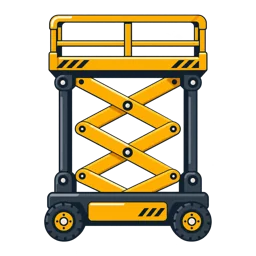
- Straight up, under the work: Scissor lifts. See /electric-scissor-lift-rental/ for indoor slabs and /rough-terrain-scissor-lift-rental/ for uneven sites.
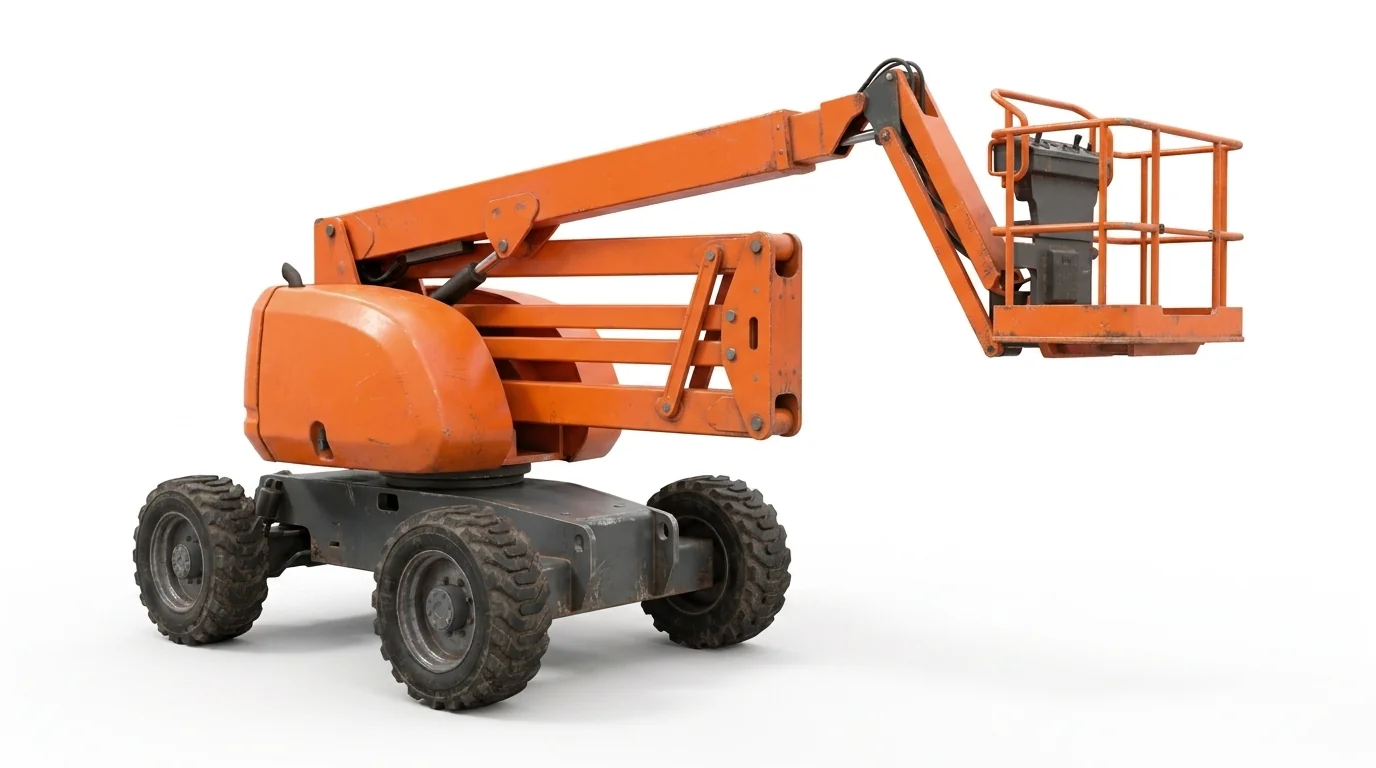
- Up-and-over or outreach: Boom lifts. Articulating booms handle obstacles; telescopic booms favor long, straight reaches. Compare at /boom-lift-rental/.
Local conditions that change the pick
- Large indoor facilities: Long travel distances and tight aisles favor compact electric units with non-marking tires and adequate battery capacity.
- Outdoor construction: Clay-rich, poorly drained areas call for rough-terrain platforms and planned travel routes before paving.
- Seasonal variability: Freeze–thaw cycles influence hydraulics and traction; schedule higher platforms and exterior work around reliable site conditions.
Height, outreach, and footprint
- Working height: Confirm top-of-task and interferences like ductwork or canopies.
- Outreach and up-and-over: If you must clear equipment or façade elements, an articulating boom’s geometry often shortens repositioning.
- Footprint: Door widths, mezzanine transitions, and staging pads restrict what can enter the work zone.
Where each lift fits in Columbus
- Electric scissors: Maintenance and installs inside distribution and commercial spaces.
- Rough-terrain scissors: Envelope and steel work on unfinished grades.
- Articulating booms: MEP tie-ins and façade access around obstacles.
- Telescopic booms: Straight, longer-reach picks along open elevations.
Actual conditions, the selected unit’s instructions, and site procedures govern exterior and elevated work.