Start with the placement geometry
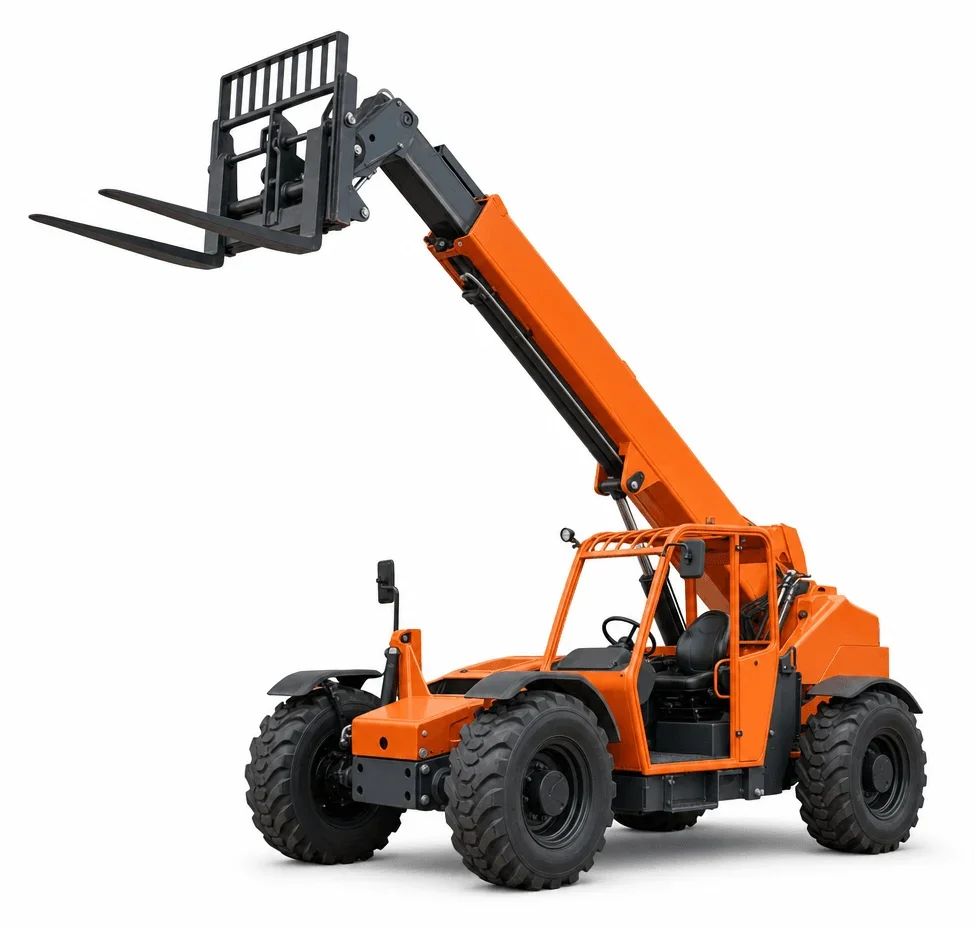
The key decision is where the load must land relative to where the machine can sit. Compare maximum lift height and forward reach against the load chart at the intended boom angle. Pallet size, fork spacing, and landing zone edge protection all affect how close the carriage must get to the target.
Columbus ground and weather factors
Clay-rich soils around Columbus hold water and rut easily, especially during thaw cycles. That affects tire choice, oscillation needs, and whether the job builds temporary mats in travel lanes. On frozen mornings, hydraulic responsiveness and traction can differ from afternoon conditions; plan movement routes with that variability in mind and follow site procedures.
Capacity and attachment planning inputs
- Gross load weight plus rigging or pallet.
- Reach at placement: forward distance and height from the front axle.
- Frame-leveling needs for uneven pads.
- Overall width and turning radius for alleyways between storage and structure.
Staging and logistics on industrial sites
Large builds in the region often have limited gate windows and congested delivery timing. Telehandlers that can shuttle between laydown and multiple elevations reduce crane dependency for lighter picks. Confirm clearance under temporary canopies and through material tunnels before committing to model size.
Related equipment comparisons
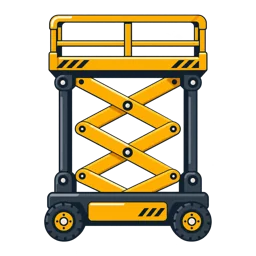
- For pure vertical personnel access once materials are staged, see /rough-terrain-scissor-lift-rental/ for exterior decks.
- For interior commissioning tasks at height, platform access via /articulating-boom-lift-rental/ may reduce repositioning.
- General lift overviews: /aerial-lift-rental/ and /products/.