Start with approach and pad geometry
- Measure gate width, turn radii, and any height restrictions under canopies.
- Identify a level pad with drainage that withstands frequent traffic.
- Confirm clearance for door swing and loading from forklifts or telehandlers.
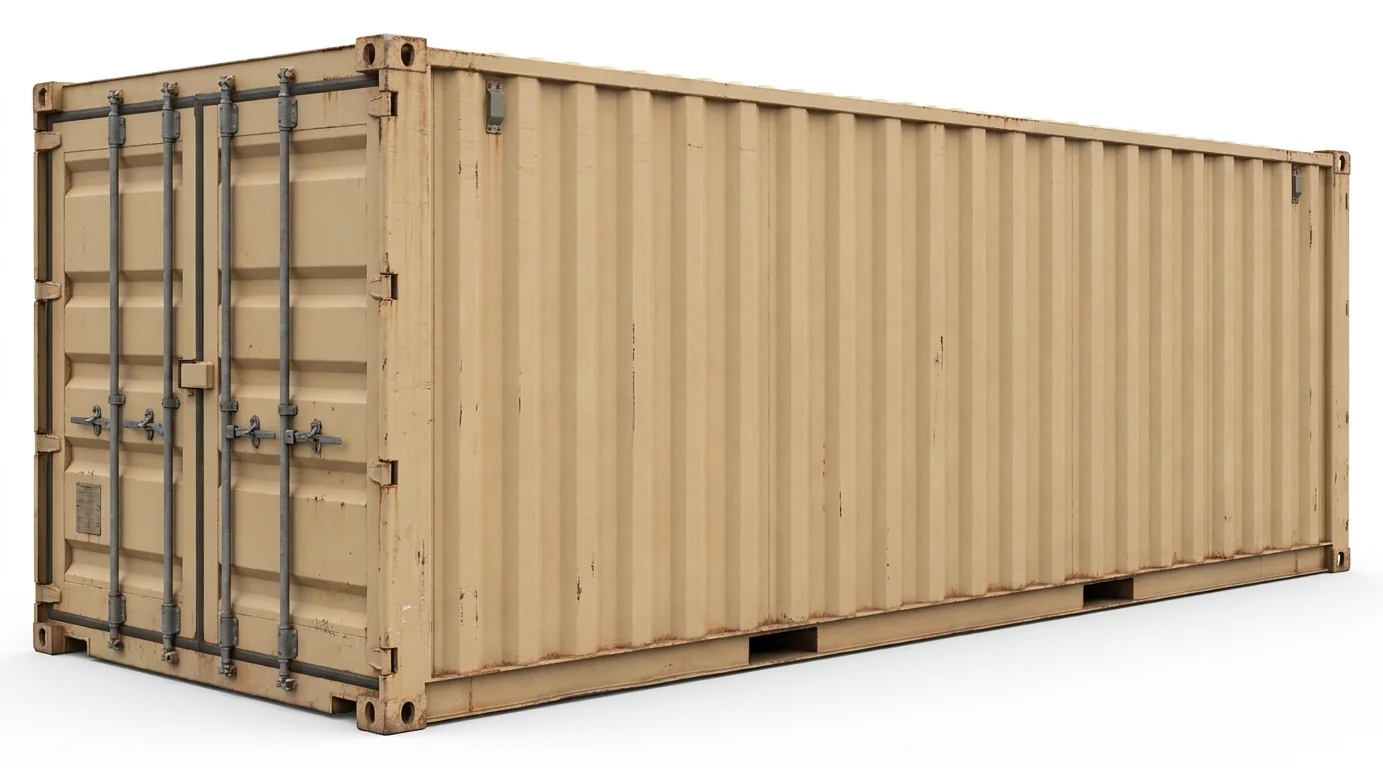
Clay-rich ground in central Ohio softens under repeated passes. Pads that look solid in the morning can rut by afternoon, shifting containers out of level and complicating door operation. A stable, well-drained spot near hardstand parking reduces re-leveling and keeps access predictable.
Workflow with lifts and material flow
Containers often sit near loading points for /forklift-rental/ or /telehandler-rental/. Map the aisle width, turning pocket, and the direction of approach to keep forks square to the doors. For sites using /electric-scissor-lift-rental/ indoors, plan separate staging to prevent cross-traffic at doorways and reduce cord or hose crossings.
Size and configuration choices influenced by local work
- Long industrial runs: multiple mid-length units along the perimeter cut walking distance and keep traffic flowing.
- Tech builds: climate-sensitive components may call for containers positioned away from vibration and heavy equipment lanes.
- Mixed phases: pairing one larger container for bulk with a smaller unit near the core speeds task-level retrievals.
Weather, security, and schedule considerations
The regional climate brings freeze-thaw cycles that can change door alignment day to day. Keeping containers level improves latch reliability and helps maintain seals. Lighting near access points and clear address markings aid night shift crews, common on large Columbus sites that run extended hours.
Tie-ins with aerial and site products
If overhead work proceeds nearby, verify that container placement doesn’t constrain lift approach lines. For exterior access on uneven surfaces, see /rough-terrain-scissor-lift-rental/ or /articulating-boom-lift-rental/ depending on outreach needs.