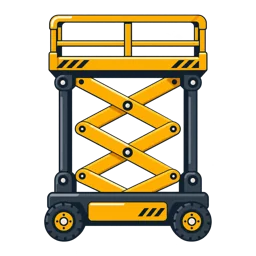
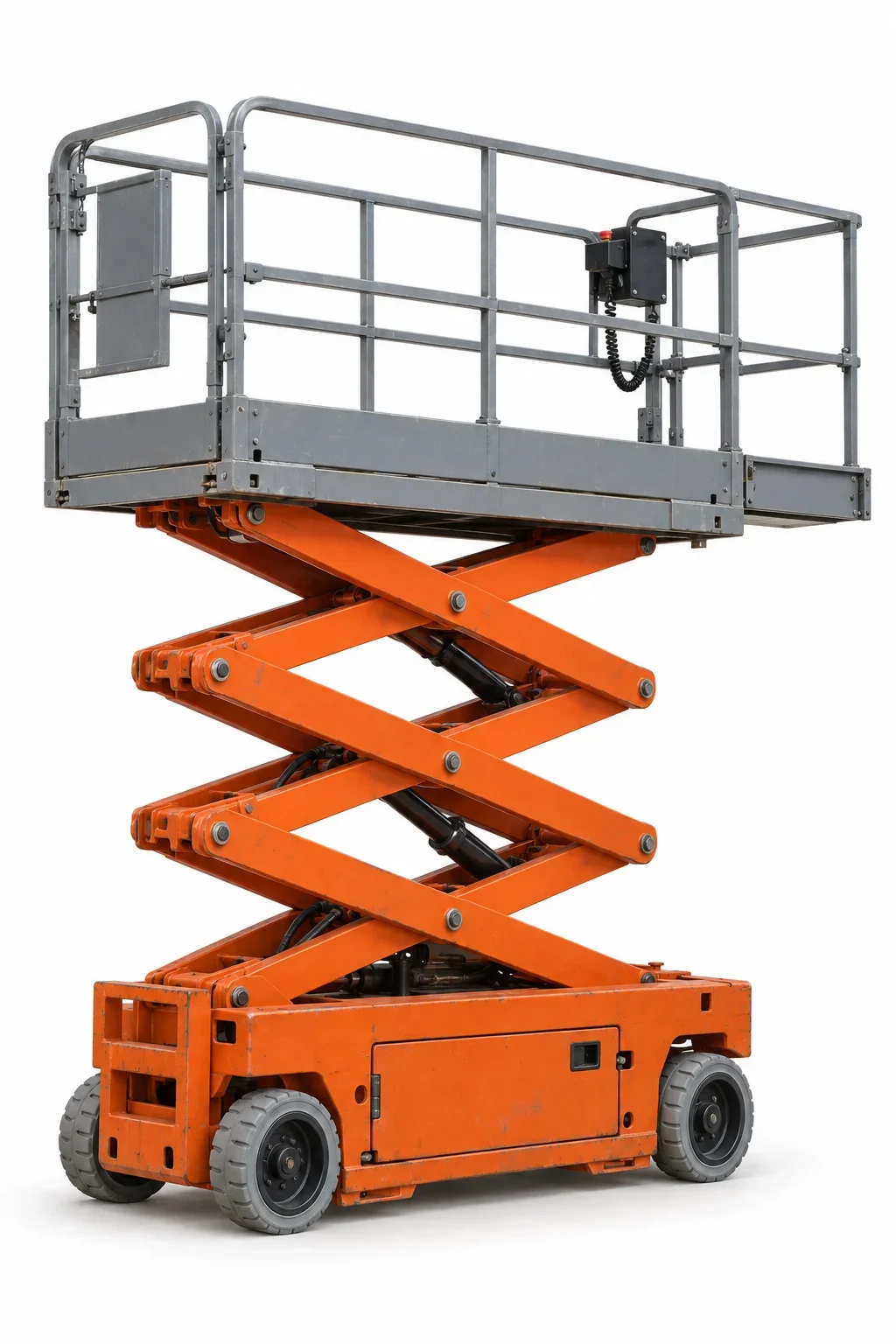
Fit the machine to the aisle and the door
Start with the tightest dimension the unit must pass: single or double doors, elevator cars, or pallet rack aisle widths. Compact models navigate narrow paths and staging near docks; mid-size slabs cover taller lighting or sign installs but need more turning space.
Floor capacity and sensitive finishes
Many Columbus interiors combine polished slab, trench repairs, and mezzanine transitions. Check floor capacity at joints and transitions. Non-marking tires and electric drive reduce surface impact in finished areas and active corridors.
Height planning in high-bay zones
High-bay lighting and data cabling often require mid to taller slab scissors. Confirm top-of-task height and whether a deck extension needs to clear conveyors, equipment, or low-hung piping without moving the base machine.
Regional considerations
- Long indoor runs in large logistics buildings favor battery duty cycles sized for sustained travel and lifting.
- Projects tied to the area’s advanced manufacturing buildouts may require cleaner indoor operation and precise maneuvering around sensitive equipment.
- Winter conditions push more work indoors; verify storage space for charging and protected staging near loading areas.
When an electric scissor isn’t the right geometry
If access requires up-and-over reach around machinery or architectural features, compare options at /boom-lift-rental/ or see broader choices at /aerial-lift-rental/.
Actual conditions, the selected unit’s instructions, and site procedures govern elevated interior work.