Start with the route, not just the load
Trace the narrowest door, ramp, or aisle the machine must pass. Then compare that to forklift width, mast height when lowered, and turning radius. Confirm dock levelers, thresholds, and any slope changes between interior slabs and exterior staging.
Surface and weather considerations in Central Ohio
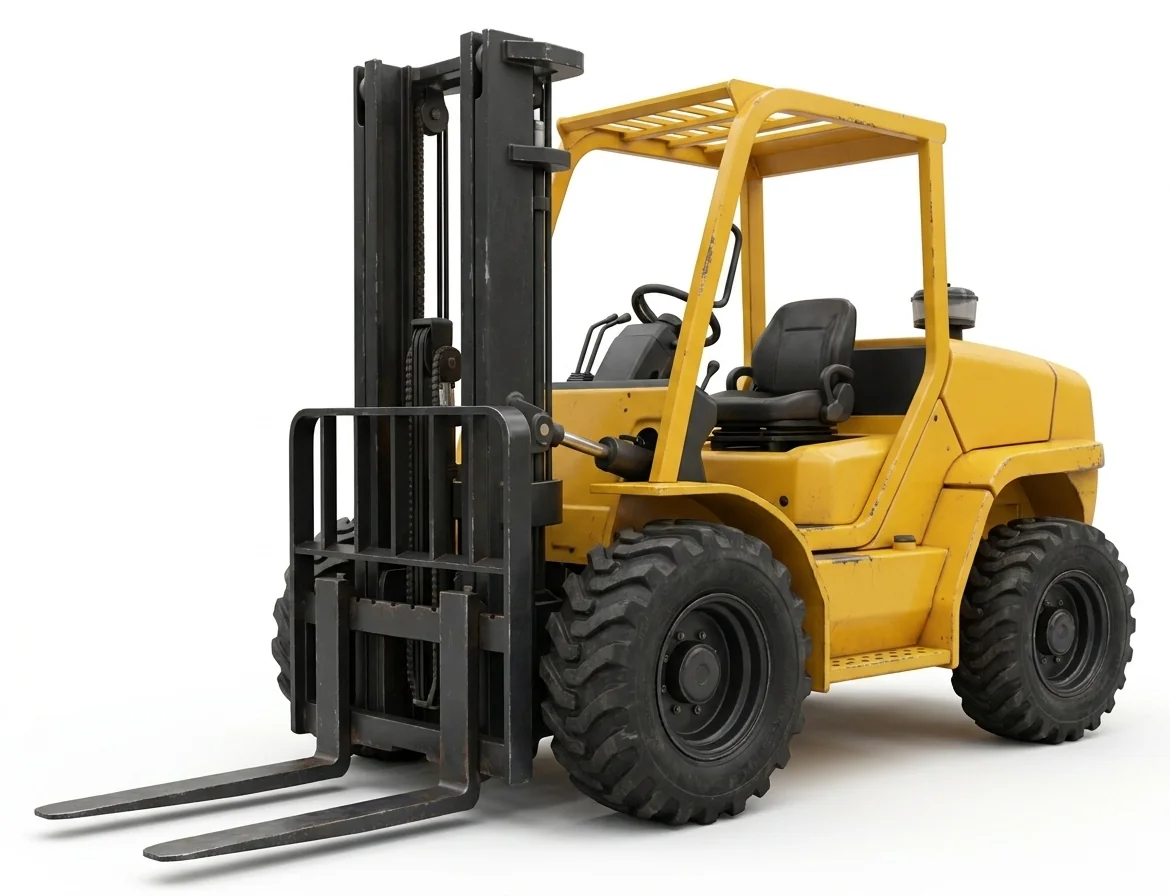
Clay-based subgrades and frequent thaw cycles can leave exterior aprons slick or soft near the edges. Cushion-tire forklifts suit smooth, dry slabs; pneumatic or solid pneumatics handle rougher surfaces and intermittent outdoor use. If the route includes prolonged exterior travel in winter conditions, factor traction and protection against moisture exposure.
Capacity and load shape
- Nameplate capacity drops as load centers increase; long or offset loads reduce effective rating.
- Mast height and free lift affect clearance under mezzanines and racking beams.
- Attachments change capacity and forward visibility; check the data plate for the configured machine.
Emissions and indoor policies
Many Columbus interiors limit exhaust. Electric forklifts fit enclosed, high-density picking areas, while LP or diesel units align with ventilated shops and outdoor yards. Charging or fuel logistics should match shift patterns and dock operations.
Related equipment
- For elevated personnel access after materials are staged, see /vertical-mast-lift-rental/ for tight interiors.
- For outdoor picks to higher landings, compare /telehandler-rental/.
- Explore /products/ or contact /contact/ for site-specific planning questions.