Define the work geometry first
- Can the generator sit outside the active work area or must it fit within a constrained pad?
- What is the cable path from power source to loads, and does it cross vehicle routes or pedestrian lanes?
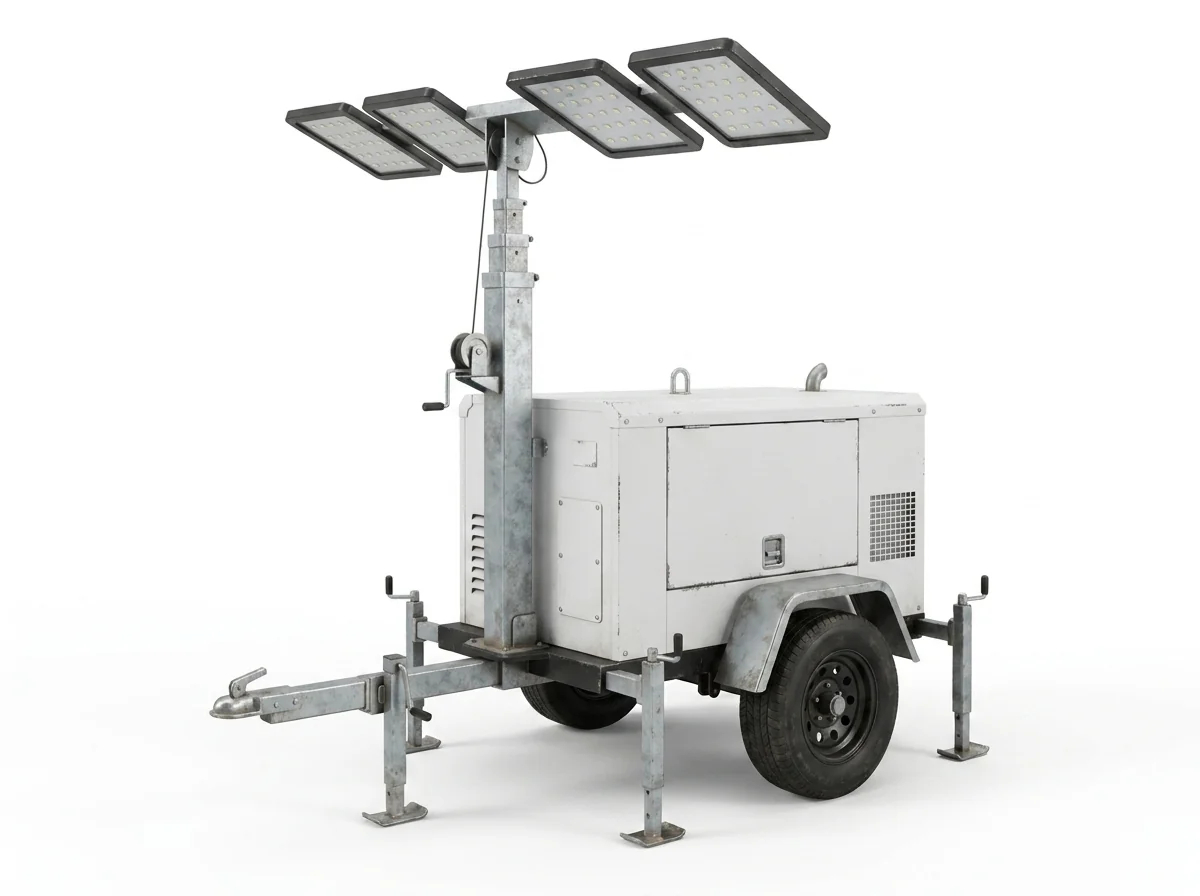
- For lighting, can towers sit below the task area and still achieve target illumination, or do they need higher masts placed closer to the work?
Columbus jobs often span large outdoor footprints at distribution and fabrication sites. Long cable runs introduce voltage drop; tighter staging near doors may mean smaller footprints but more units. Identify clearances at gates and between trailers if the equipment has to be repositioned during shifts.
Local surface and access conditions
Central Ohio’s clay-heavy soils can soften quickly after rain and stay slick. For light towers, assess pad firmness and grade. A stable, level staging point reduces re-aiming during the night and limits rutting that can misalign fixtures. If the route to the pad crosses unpaved sections, plan for towable units that can handle uneven surfaces and verify turn radii at site corners.
Power profile and load behavior
- List continuous versus peak loads, and whether sensitive electronics share circuits.
- Note motor starts, welders, and compressors that spike demand.
- Consider whether loads are clustered (trailers, tool cribs) or dispersed (multiple bays).
Industrial and technology builds around Columbus frequently mix clean power needs with heavy inrush loads. That mix drives generator sizing, receptacle layout, and whether separate units for clean loads and general power make sense.
Weather and runtime planning
The regional climate swings can challenge cold starts and extended runtime. Winterization strategies for fuel, batteries, and hydraulic masts help reduce downtime. Night work around large buildings creates wind channels that can shift fixture aim; confirm that mast height and fixture count can tolerate periodic gusts and still cover the task zone.
Integration with aerial work
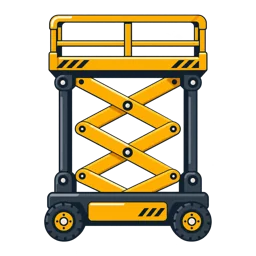
If crews are using scissor or boom lifts, coordinate cable placement and tower positions to avoid pinch points and overhead glare. For primarily indoor access, start with /electric-scissor-lift-rental/. For mixed-surface exterior work, see /rough-terrain-scissor-lift-rental/ and /boom-lift-rental/.
When to segment equipment
- Large, dispersed yards: multiple smaller light towers placed at perimeter lanes reduce shadowing.
- Dense build cores: one higher-output generator near the tool cluster keeps cords short and reduces crossings.
- Cold-season phases: prioritize equipment with reliable low-temperature starting packages and service intervals aligned to longer nights.